
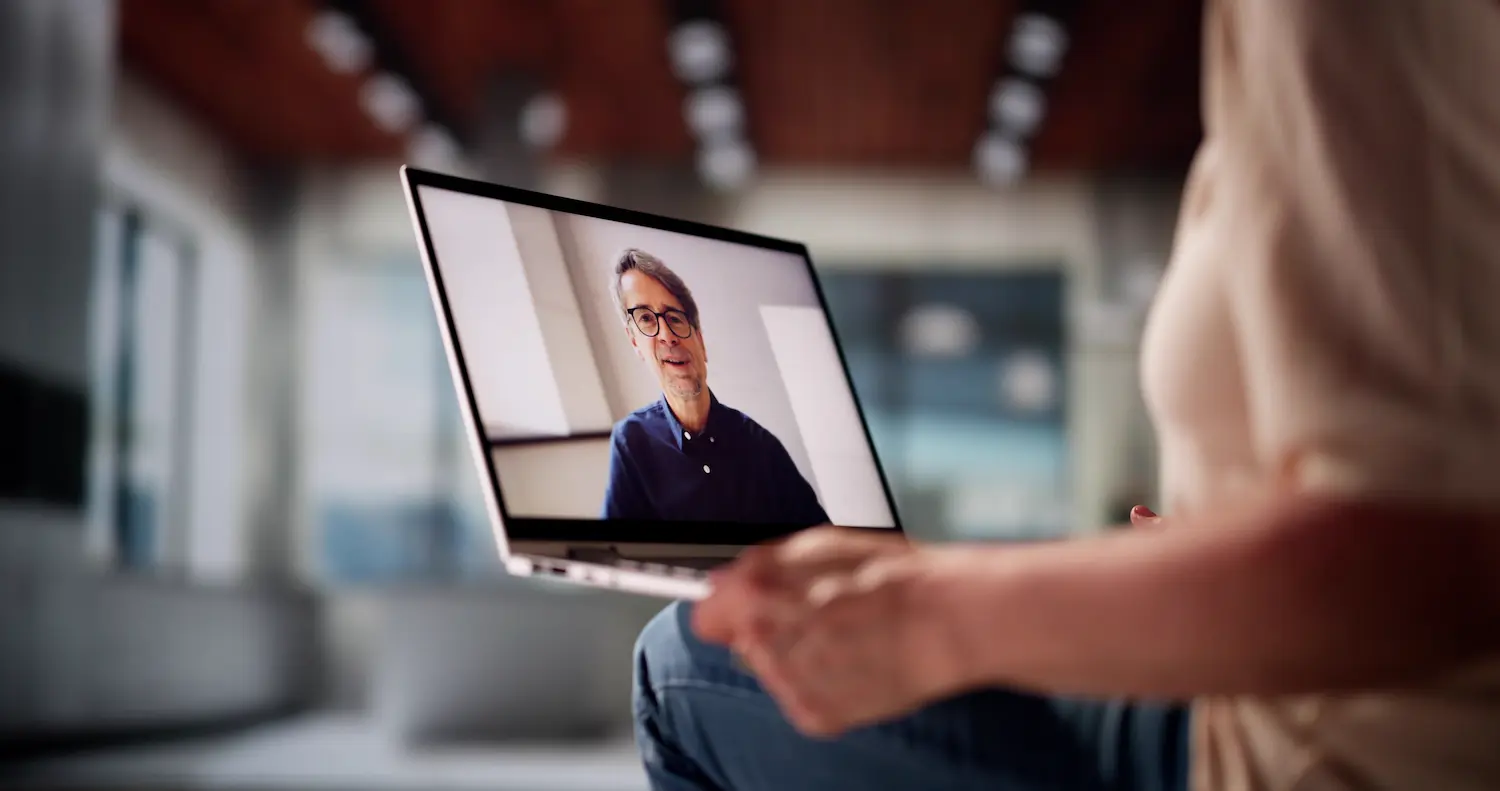
For years, getting a buprenorphine prescription required an in-person visit with a licensed prescriber before treatment could begin. For many people with opioid use disorder, that single requirement was an insurmountable barrier. Transportation, work schedules, childcare, geography, stigma, and fear of judgment all kept people away from a medication that the evidence shows reduces opioid overdose death significantly.
That barrier is now lower than it has ever been. On January 17, 2025, the Drug Enforcement Administration (DEA) and the Department of Health and Human Services (HHS) finalized a permanent rule that allows DEA-registered practitioners to prescribe buprenorphine via telehealth for opioid use disorder without requiring an initial in-person evaluation. SAMHSA confirmed the rule makes permanent the telehealth flexibilities that had previously been extended on a temporary basis since the COVID-19 public health emergency.
This is a significant development for anyone who has wanted to start treatment for opioid use disorder but faced access barriers. This article explains what the rule means in plain terms, how to access telehealth buprenorphine treatment, what to expect from the process, and what questions to ask a provider.
Buprenorphine is an FDA-approved medication for opioid use disorder (OUD). It is classified as a partial opioid agonist, which means it activates opioid receptors in the brain enough to prevent withdrawal and reduce cravings, but not enough to produce the full euphoria associated with heroin or fentanyl. This property makes it safer than full opioid agonists and gives it a ceiling effect on respiratory depression, which is why it is significantly harder to fatally overdose on buprenorphine than on heroin or fentanyl.
Buprenorphine is commonly prescribed in two main formulations:
Buprenorphine/naloxone (Suboxone, Zubsolv, generic formulations): A film or tablet dissolved under the tongue or in the cheek. The naloxone component discourages injection by triggering withdrawal if the medication is injected rather than taken as prescribed.
Extended-release buprenorphine injection (Sublocade): A once-monthly injection administered by a clinician that delivers buprenorphine gradually over 30 days, eliminating daily dosing concerns and improving adherence.
The clinical evidence supporting buprenorphine is substantial. People who take buprenorphine as part of medication for addiction treatment (MAT) have lower rates of overdose death, lower rates of infectious disease transmission, better treatment retention, and better overall health outcomes compared to people who pursue abstinence-only approaches without medication. The ASAM, NIDA, and SAMHSA all recommend buprenorphine as a first-line treatment for OUD.
Before the COVID-19 pandemic, federal law required an in-person evaluation before a DEA-registered practitioner could prescribe buprenorphine to a patient. This was derived from the Ryan Haight Online Pharmacy Consumer Protection Act of 2008. During the pandemic, the DEA waived that requirement as an emergency measure, allowing new patients to start buprenorphine via audio-video telehealth without a prior in-person visit.
The temporary waiver was extended four times between 2020 and 2025. The January 2025 final rule makes the core telehealth flexibility permanent for buprenorphine prescribed to treat OUD. As of the end of 2025, a fourth temporary extension also extended the full set of COVID-era telehealth flexibilities through December 31, 2026, giving clinicians and patients additional certainty.
Under the permanent rule, a DEA-registered practitioner may:
The rule includes safeguards: the practitioner must conduct a clinical evaluation sufficient to make a diagnosis of OUD, must check the patient's prescription drug monitoring program (PDMP) record, and must have a plan for the patient to receive emergency in-person care if needed.
What has not changed: Buprenorphine for OUD remains a prescription medication. It requires a licensed clinician with a DEA registration. It is not available directly from a pharmacy without a prescription. The rule expands how that prescription can be obtained, not whether one is required.
Many people who have never engaged with addiction medicine are uncertain about what a telehealth buprenorphine appointment involves. The process is typically straightforward.
You will need to choose a telehealth provider that offers buprenorphine prescribing. Many addiction medicine practices, community health centers, and dedicated telehealth addiction treatment platforms now offer this service. Some accept insurance; others charge self-pay rates that have become competitive as the market has grown.
You will typically complete an intake form covering your substance use history, current medications, relevant medical and mental health history, and what you are hoping to achieve through treatment. Some providers may ask you to complete a standardized OUD screening before the appointment.
A licensed clinician, typically a physician, nurse practitioner, or physician assistant with addiction medicine training, will conduct a clinical evaluation. They will ask about your opioid use history, your current situation, your goals for treatment, and any other health conditions that may affect medication choice.
The clinician will explain how buprenorphine works, what the induction process looks like, and what to expect during the first days of treatment. They will check your state's prescription drug monitoring program to review your prescription history. They will answer your questions.
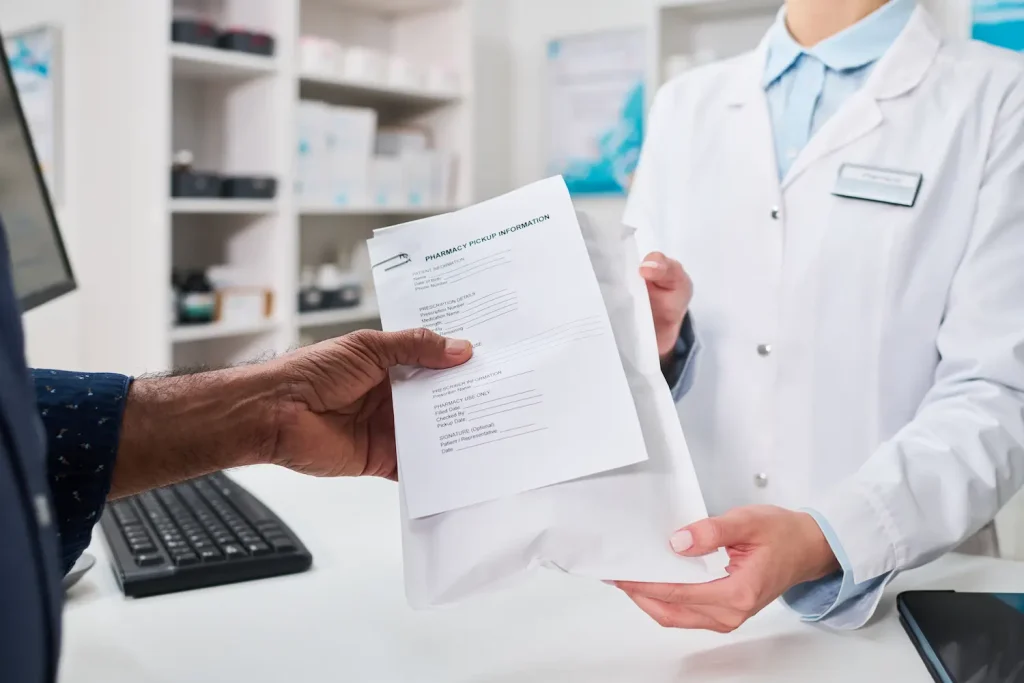
If you and the clinician agree that buprenorphine is appropriate, they will send the prescription to a pharmacy of your choice. Most buprenorphine formulations are available at major retail pharmacies and can also be filled through mail-order pharmacy services.
The first dose of buprenorphine should be taken when you are in mild to moderate opioid withdrawal. Taking it too soon after using opioids can precipitate acute withdrawal (called precipitated withdrawal), which is very uncomfortable. Your prescriber will walk you through timing carefully.
Many providers now use a "low-dose induction" protocol that significantly reduces the risk of precipitated withdrawal. Ask your provider about this option if you are concerned about the induction process.
Buprenorphine treatment for OUD is ongoing medication management, not a short course of medication. Most clinical guidelines recommend continued treatment for at least one to two years; many people benefit from longer-term or indefinite treatment. Telehealth visits for medication management and counseling can continue throughout.

Several reliable resources connect people with telehealth buprenorphine prescribers:
SAMHSA's Treatment Locator (findtreatment.gov): The national treatment finder allows filtering by medication-assisted treatment, telehealth availability, insurance type, and location. It is the most comprehensive federal resource for locating licensed OUD treatment providers.
SAMHSA Buprenorphine Practitioner Locator (samhsa.gov): Specifically lists DEA-registered practitioners who prescribe buprenorphine, searchable by zip code with the option to filter for telehealth services.
Community Health Centers: Federally Qualified Health Centers (FQHCs) provide care on a sliding fee scale and many have added telehealth MAT services. Health Resources and Services Administration (HRSA) maintains a locator at findahealthcenter.hrsa.gov.
When evaluating a telehealth provider, ask the following questions:
The Mental Health Parity and Addiction Equity Act (MHPAEA) requires that most health insurance plans cover substance use disorder treatment at parity with other medical conditions. This means buprenorphine prescribing and addiction medicine visits should be covered by insurance that covers other specialist visits.
Coverage varies by plan, state, and insurer. Call the member services number on your insurance card and ask specifically whether medication-assisted treatment for opioid use disorder is covered and whether telehealth visits qualify. Ask about prior authorization requirements, which some plans require before covering buprenorphine.
For people without insurance or with high-deductible plans, several options reduce cost:
Is buprenorphine "just trading one addiction for another"?
No. This is a common misconception that reflects misunderstanding of how addiction and physical dependence differ as medical concepts. Physical dependence is the body's adaptation to a medication, which is an expected pharmacological response that occurs with many medications, including antidepressants, blood pressure medications, and steroids. Addiction is a chronic brain disease characterized by compulsive use despite harm. Taking buprenorphine as prescribed under medical supervision is not addiction. It is treatment for a chronic disease that requires ongoing management, exactly as insulin is treatment for diabetes rather than "addiction to insulin."
Does taking buprenorphine mean I can never get sober?
Recovery looks different for every person. For many people, buprenorphine is a long-term medication that allows them to live a full, stable, connected life. For others, it is a bridge to a period without medication after extended stabilization. Both paths are valid. The goal of treatment is not to satisfy a definition of sobriety; it is to help a person live well and avoid the harms of active opioid use disorder.
Can I get buprenorphine if I am pregnant?
Yes, and doing so is strongly recommended. Untreated opioid use disorder during pregnancy carries serious risks for both mother and infant. Buprenorphine is considered the standard of care for OUD during pregnancy and is far safer than ongoing illicit opioid use. Discuss the medication options with an OB-GYN and addiction medicine provider who can manage care collaboratively.
What if I miss a dose?
Missing an occasional dose is common and is manageable. Contact your prescriber for specific guidance. Do not take a double dose without guidance from your provider.
What happens if I use opioids while I am on buprenorphine?
A lapse during treatment does not mean treatment has failed. It is a signal that something needs attention, often a dose adjustment, a change in support, or a more intensive level of care. Contact your provider rather than stopping your buprenorphine. Stopping buprenorphine after a lapse increases risk of overdose. Most providers take a non-punitive approach to lapses and will work with you to adjust the treatment plan.
The January 2025 DEA rule is not a minor technical update. For people who could not previously reach a buprenorphine prescriber because of geography, transportation, work, childcare, or fear, a phone or video call is now sufficient to start evidence-based treatment for opioid use disorder.
If you have been thinking about starting treatment, or if you have been supporting someone who has been resistant because of access barriers, this is the right moment to take the next step.
The Struggling With Addiction treatment finder at strugglingwithaddiction.com/find-treatment-near-you lists accredited treatment programs including those offering telehealth MAT. SAMHSA's National Helpline at 1-800-662-4357 is available around the clock, at no cost, in English and Spanish, and connects callers directly to local treatment resources. You deserve care that works, and it is more accessible now than ever before.