If someone you love uses opioids, or if you have been following news about the fentanyl overdose crisis, you have likely encountered the term "tranq dope." It refers to street drugs, usually fentanyl or heroin, that have been mixed with xylazine, a veterinary sedative that has no approved use in humans.
Tranq dope is now present in 48 of the 50 states. The White House Office of National Drug Control Policy declared it a public health threat. The CDC and NIDA have both issued major advisories about it. According to the DEA, approximately 23 percent of fentanyl powder seized by law enforcement in 2022 contained xylazine.
This article explains what xylazine is, why its presence in the drug supply is so dangerous, what tranq dope does to the body, and what families and people who use drugs need to know to respond when it is present.
Xylazine is a powerful sedative and muscle relaxant used in veterinary medicine to sedate large animals before surgery or other procedures. It is not approved for use in humans by the FDA. It is not classified as a controlled substance under the U.S. Controlled Substances Act, which has made it easier to obtain outside of medical channels.
On the street, xylazine alone may be called "tranq." When mixed with fentanyl or heroin, the combination is called "tranq dope." Some media have used the term "zombie drug" to refer to xylazine, a phrase that reflects and reinforces stigma toward people who use drugs. This article does not use that term.
Xylazine first appeared as an adulterant in Puerto Rico in the early 2000s and reached Philadelphia and surrounding mid-Atlantic states by the late 2000s. By 2023 and 2024, it had been detected in fentanyl samples from 48 states. In two study sites in Michigan and Pennsylvania surveyed through 2024, xylazine was present in nearly half of all fentanyl samples tested at one site and in more than 70 percent at the other.
Most people who encounter xylazine in street drugs do not know it is there. It is added to fentanyl and heroin mixtures to extend the sedative effect and increase the weight of the product. People who use drugs typically prefer fentanyl without xylazine; the adulterant is not there because users want it.
Fentanyl is already the most lethal substance in the current overdose crisis, responsible for the majority of the more than 80,000 opioid overdose deaths recorded annually in recent years. Xylazine adds a distinct layer of danger on top of that risk.
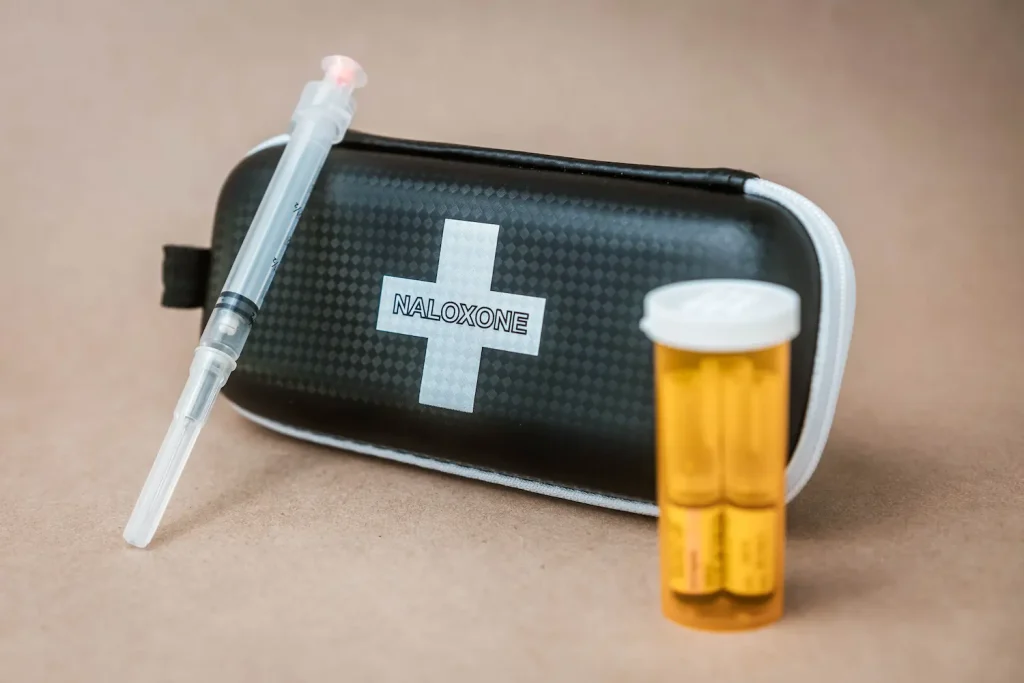
Naloxone (Narcan) works by blocking opioid receptors, which is how it reverses a fentanyl or heroin overdose. Xylazine is not an opioid. It acts on alpha-2 adrenergic receptors, which naloxone does not target. When a person overdoses on tranq dope, naloxone will reverse the opioid component, but the xylazine sedation remains active.
This does not mean naloxone should not be given. The CDC and SAMHSA both advise giving naloxone immediately any time opioid overdose is suspected, even if xylazine is a possibility. Reversing the opioid component of the overdose can keep the person breathing while emergency services arrive. Naloxone alone may not be enough to fully revive someone who has been sedated by xylazine, and 911 must be called in every case.
One of the most clinically alarming effects of xylazine is its tendency to cause severe, necrotic wounds, especially at injection sites but also appearing on other parts of the body where the person did not inject. These wounds develop into deep ulcers that can be difficult or impossible to heal without aggressive wound care. In severe cases, they lead to amputation.
The mechanism is not fully understood, but xylazine's effects on blood vessels and tissue perfusion appear to contribute. Wound care for people with xylazine-related injuries requires specialized medical attention, including in some cases hospital-level wound care teams. Many people with these injuries do not seek medical care due to stigma, fear of legal consequences, or lack of access to healthcare.
Xylazine is not an opioid, and its physical dependence profile is distinct. People who are physically dependent on tranq dope experience xylazine withdrawal symptoms that are not addressed by standard opioid withdrawal medications. These can include agitation, severe anxiety, tremors, and cardiovascular instability. Treatment teams working with people who have been using tranq dope regularly need to be aware of the potential for a complex, dual withdrawal process.
Tranq dope overdose looks different from a fentanyl-only overdose in important ways. Signs that suggest xylazine may be present in an overdose include:
If you suspect an overdose, administer naloxone immediately and call 911. Do not assume the person is fine if they partially revive after naloxone. Xylazine sedation can continue after the opioid component has been reversed. Keep the person on their side (recovery position) to protect their airway until emergency services arrive. Stay with the person.
For people who use opioids, knowing that xylazine is likely present in the current drug supply is a harm-reduction priority. Several strategies reduce risk:
Fentanyl and xylazine test strips. Fentanyl test strips can detect the presence of fentanyl in a drug sample. Separate xylazine test strips are also available in some harm reduction programs. Neither test strip eliminates risk, but knowing what is in a sample supports more informed decisions.
Never use alone. Using in the presence of another person who can respond to an overdose significantly reduces the risk of death. The Never Use Alone hotline (1-800-484-3731) connects a person using alone with a phone operator who will call emergency services if the person becomes unresponsive.
Have naloxone accessible. Naloxone is available without a prescription at most major pharmacy chains. Every household where someone uses opioids, and every person who uses opioids, should have naloxone on hand.
Seek wound care early. Xylazine-related skin wounds escalate quickly when left untreated. Many hospitals and harm reduction programs provide wound care without judgment and without requiring abstinence from substances. If a wound is developing at or near an injection site, seeking medical care early reduces the risk of serious complications.
Medication for opioid use disorder (MOUD) reduces overdose risk. Buprenorphine and methadone are FDA-approved, evidence-based medications that reduce cravings, reduce withdrawal, and significantly reduce the risk of overdose death. They do not require a person to be abstinent from all substances to start. A clinician can prescribe buprenorphine through an office visit or, as of 2025, through a telehealth visit.
If someone in your family uses opioids, or if you are not sure but are concerned, the presence of xylazine in the drug supply means the stakes have increased. Fentanyl overdose was already difficult to survive without immediate naloxone. Tranq dope overdose is more complex.
Carry naloxone. Learn how to use it. Multiple doses may be needed in a tranq dope overdose because the naloxone wears off faster than the xylazine sedation. Most naloxone kits contain two doses; having additional doses is advisable given current drug supply conditions.
Reduce stigma in your conversations. People who use drugs are more likely to tell someone they trust when they are in a dangerous situation if they do not fear judgment or immediate confrontation. A conversation focused on safety and connection is more productive than one focused on shame.
Support treatment when the person is ready. Opioid use disorder is a treatable chronic condition. Recovery is possible and it happens. Treatment is most effective when it includes both medication and behavioral support. Do not delay seeking help while waiting for the person to "hit rock bottom." Research consistently shows that earlier treatment leads to better outcomes.
Medication for opioid use disorder (MOUD) remains the most evidence-supported treatment for OUD, including for people who have been using tranq dope. Buprenorphine and methadone both address the opioid component of tranq dope dependence.
Clinicians treating people with known or suspected regular xylazine exposure should assess for xylazine-related skin wounds at every visit and coordinate wound care when needed. Inpatient or residential levels of care may be appropriate for people with complex wounds who need concurrent addiction treatment and medical care.
Trauma-informed care is essential. People who have been using drugs in an environment where xylazine is common have often experienced significant trauma related to overdose, loss of peers, and physical injury. Treatment programs that integrate trauma-informed approaches alongside medical treatment for OUD produce better outcomes.
The presence of xylazine in the drug supply has made an already dangerous situation more complex. That is not a reason to lose hope. Treatment for opioid use disorder works, and more people survive and recover than the crisis narrative often suggests. Buprenorphine, methadone, counseling, and peer support are all available and effective.
If you or someone you care about uses opioids and is ready to explore treatment options, the Struggling With Addiction treatment finder can connect you with accredited programs near you. SAMHSA's National Helpline at 1-800-662-4357 is also available 24 hours a day, at no cost, in English and Spanish. Taking the first step toward treatment is an act of courage, and support is available right now.