For years, getting a buprenorphine prescription required an in-person visit with a licensed prescriber before treatment could begin. For many people with opioid use disorder, that single requirement was an insurmountable barrier. Transportation, work schedules, childcare, geography, stigma, and fear of judgment all kept people away from a medication that the evidence shows reduces opioid overdose death significantly.
That barrier is now lower than it has ever been. On January 17, 2025, the Drug Enforcement Administration (DEA) and the Department of Health and Human Services (HHS) finalized a permanent rule that allows DEA-registered practitioners to prescribe buprenorphine via telehealth for opioid use disorder without requiring an initial in-person evaluation. SAMHSA confirmed the rule makes permanent the telehealth flexibilities that had previously been extended on a temporary basis since the COVID-19 public health emergency.
This is a significant development for anyone who has wanted to start treatment for opioid use disorder but faced access barriers. This article explains what the rule means in plain terms, how to access telehealth buprenorphine treatment, what to expect from the process, and what questions to ask a provider.
Buprenorphine is an FDA-approved medication for opioid use disorder (OUD). It is classified as a partial opioid agonist, which means it activates opioid receptors in the brain enough to prevent withdrawal and reduce cravings, but not enough to produce the full euphoria associated with heroin or fentanyl. This property makes it safer than full opioid agonists and gives it a ceiling effect on respiratory depression, which is why it is significantly harder to fatally overdose on buprenorphine than on heroin or fentanyl.
Buprenorphine is commonly prescribed in two main formulations:
Buprenorphine/naloxone (Suboxone, Zubsolv, generic formulations): A film or tablet dissolved under the tongue or in the cheek. The naloxone component discourages injection by triggering withdrawal if the medication is injected rather than taken as prescribed.
Extended-release buprenorphine injection (Sublocade): A once-monthly injection administered by a clinician that delivers buprenorphine gradually over 30 days, eliminating daily dosing concerns and improving adherence.
The clinical evidence supporting buprenorphine is substantial. People who take buprenorphine as part of medication for addiction treatment (MAT) have lower rates of overdose death, lower rates of infectious disease transmission, better treatment retention, and better overall health outcomes compared to people who pursue abstinence-only approaches without medication. The ASAM, NIDA, and SAMHSA all recommend buprenorphine as a first-line treatment for OUD.
Before the COVID-19 pandemic, federal law required an in-person evaluation before a DEA-registered practitioner could prescribe buprenorphine to a patient. This was derived from the Ryan Haight Online Pharmacy Consumer Protection Act of 2008. During the pandemic, the DEA waived that requirement as an emergency measure, allowing new patients to start buprenorphine via audio-video telehealth without a prior in-person visit.
The temporary waiver was extended four times between 2020 and 2025. The January 2025 final rule makes the core telehealth flexibility permanent for buprenorphine prescribed to treat OUD. As of the end of 2025, a fourth temporary extension also extended the full set of COVID-era telehealth flexibilities through December 31, 2026, giving clinicians and patients additional certainty.
Under the permanent rule, a DEA-registered practitioner may:
The rule includes safeguards: the practitioner must conduct a clinical evaluation sufficient to make a diagnosis of OUD, must check the patient's prescription drug monitoring program (PDMP) record, and must have a plan for the patient to receive emergency in-person care if needed.
What has not changed: Buprenorphine for OUD remains a prescription medication. It requires a licensed clinician with a DEA registration. It is not available directly from a pharmacy without a prescription. The rule expands how that prescription can be obtained, not whether one is required.
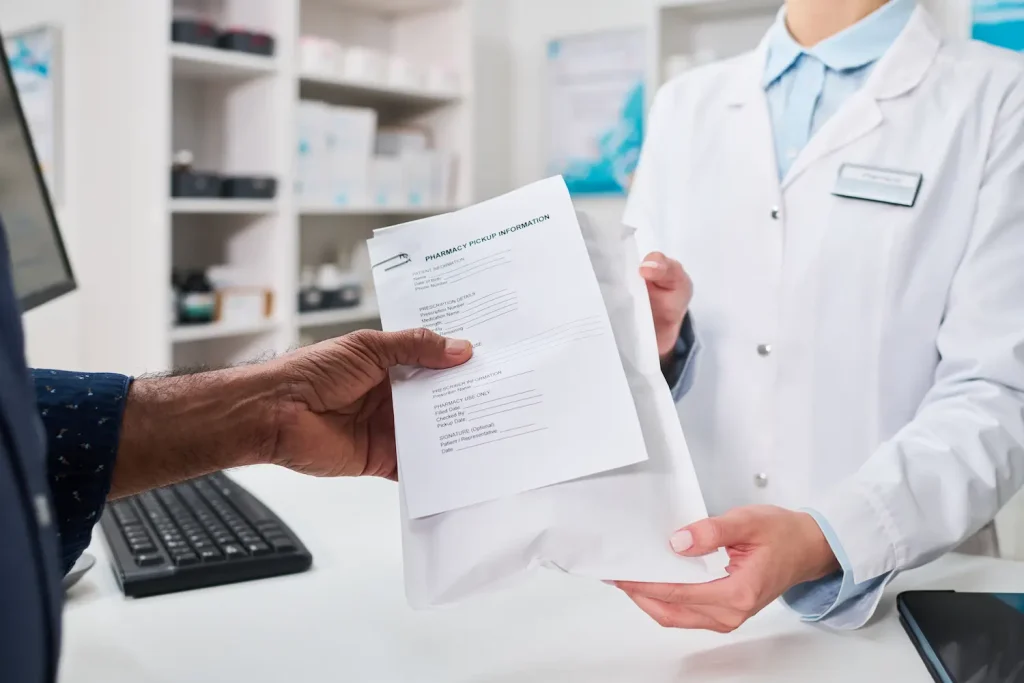
Many people who have never engaged with addiction medicine are uncertain about what a telehealth buprenorphine appointment involves. The process is typically straightforward.
You will need to choose a telehealth provider that offers buprenorphine prescribing. Many addiction medicine practices, community health centers, and dedicated telehealth addiction treatment platforms now offer this service. Some accept insurance; others charge self-pay rates that have become competitive as the market has grown.
You will typically complete an intake form covering your substance use history, current medications, relevant medical and mental health history, and what you are hoping to achieve through treatment. Some providers may ask you to complete a standardized OUD screening before the appointment.
A licensed clinician, typically a physician, nurse practitioner, or physician assistant with addiction medicine training, will conduct a clinical evaluation. They will ask about your opioid use history, your current situation, your goals for treatment, and any other health conditions that may affect medication choice.
The clinician will explain how buprenorphine works, what the induction process looks like, and what to expect during the first days of treatment. They will check your state's prescription drug monitoring program to review your prescription history. They will answer your questions.
If you and the clinician agree that buprenorphine is appropriate, they will send the prescription to a pharmacy of your choice. Most buprenorphine formulations are available at major retail pharmacies and can also be filled through mail-order pharmacy services.
The first dose of buprenorphine should be taken when you are in mild to moderate opioid withdrawal. Taking it too soon after using opioids can precipitate acute withdrawal (called precipitated withdrawal), which is very uncomfortable. Your prescriber will walk you through timing carefully.
Many providers now use a "low-dose induction" protocol that significantly reduces the risk of precipitated withdrawal. Ask your provider about this option if you are concerned about the induction process.
Buprenorphine treatment for OUD is ongoing medication management, not a short course of medication. Most clinical guidelines recommend continued treatment for at least one to two years; many people benefit from longer-term or indefinite treatment. Telehealth visits for medication management and counseling can continue throughout.

Several reliable resources connect people with telehealth buprenorphine prescribers:
SAMHSA's Treatment Locator (findtreatment.gov): The national treatment finder allows filtering by medication-assisted treatment, telehealth availability, insurance type, and location. It is the most comprehensive federal resource for locating licensed OUD treatment providers.
SAMHSA Buprenorphine Practitioner Locator (samhsa.gov): Specifically lists DEA-registered practitioners who prescribe buprenorphine, searchable by zip code with the option to filter for telehealth services.
Community Health Centers: Federally Qualified Health Centers (FQHCs) provide care on a sliding fee scale and many have added telehealth MAT services. Health Resources and Services Administration (HRSA) maintains a locator at findahealthcenter.hrsa.gov.
When evaluating a telehealth provider, ask the following questions:
The Mental Health Parity and Addiction Equity Act (MHPAEA) requires that most health insurance plans cover substance use disorder treatment at parity with other medical conditions. This means buprenorphine prescribing and addiction medicine visits should be covered by insurance that covers other specialist visits.
Coverage varies by plan, state, and insurer. Call the member services number on your insurance card and ask specifically whether medication-assisted treatment for opioid use disorder is covered and whether telehealth visits qualify. Ask about prior authorization requirements, which some plans require before covering buprenorphine.
For people without insurance or with high-deductible plans, several options reduce cost:
Is buprenorphine "just trading one addiction for another"?
No. This is a common misconception that reflects misunderstanding of how addiction and physical dependence differ as medical concepts. Physical dependence is the body's adaptation to a medication, which is an expected pharmacological response that occurs with many medications, including antidepressants, blood pressure medications, and steroids. Addiction is a chronic brain disease characterized by compulsive use despite harm. Taking buprenorphine as prescribed under medical supervision is not addiction. It is treatment for a chronic disease that requires ongoing management, exactly as insulin is treatment for diabetes rather than "addiction to insulin."
Does taking buprenorphine mean I can never get sober?
Recovery looks different for every person. For many people, buprenorphine is a long-term medication that allows them to live a full, stable, connected life. For others, it is a bridge to a period without medication after extended stabilization. Both paths are valid. The goal of treatment is not to satisfy a definition of sobriety; it is to help a person live well and avoid the harms of active opioid use disorder.
Can I get buprenorphine if I am pregnant?
Yes, and doing so is strongly recommended. Untreated opioid use disorder during pregnancy carries serious risks for both mother and infant. Buprenorphine is considered the standard of care for OUD during pregnancy and is far safer than ongoing illicit opioid use. Discuss the medication options with an OB-GYN and addiction medicine provider who can manage care collaboratively.
What if I miss a dose?
Missing an occasional dose is common and is manageable. Contact your prescriber for specific guidance. Do not take a double dose without guidance from your provider.
What happens if I use opioids while I am on buprenorphine?
A lapse during treatment does not mean treatment has failed. It is a signal that something needs attention, often a dose adjustment, a change in support, or a more intensive level of care. Contact your provider rather than stopping your buprenorphine. Stopping buprenorphine after a lapse increases risk of overdose. Most providers take a non-punitive approach to lapses and will work with you to adjust the treatment plan.
The January 2025 DEA rule is not a minor technical update. For people who could not previously reach a buprenorphine prescriber because of geography, transportation, work, childcare, or fear, a phone or video call is now sufficient to start evidence-based treatment for opioid use disorder.
If you have been thinking about starting treatment, or if you have been supporting someone who has been resistant because of access barriers, this is the right moment to take the next step.
The Struggling With Addiction treatment finder at strugglingwithaddiction.com/find-treatment-near-you lists accredited treatment programs including those offering telehealth MAT. SAMHSA's National Helpline at 1-800-662-4357 is available around the clock, at no cost, in English and Spanish, and connects callers directly to local treatment resources. You deserve care that works, and it is more accessible now than ever before.
If someone you love uses opioids, or if you have been following news about the fentanyl overdose crisis, you have likely encountered the term "tranq dope." It refers to street drugs, usually fentanyl or heroin, that have been mixed with xylazine, a veterinary sedative that has no approved use in humans.
Tranq dope is now present in 48 of the 50 states. The White House Office of National Drug Control Policy declared it a public health threat. The CDC and NIDA have both issued major advisories about it. According to the DEA, approximately 23 percent of fentanyl powder seized by law enforcement in 2022 contained xylazine.
This article explains what xylazine is, why its presence in the drug supply is so dangerous, what tranq dope does to the body, and what families and people who use drugs need to know to respond when it is present.
Xylazine is a powerful sedative and muscle relaxant used in veterinary medicine to sedate large animals before surgery or other procedures. It is not approved for use in humans by the FDA. It is not classified as a controlled substance under the U.S. Controlled Substances Act, which has made it easier to obtain outside of medical channels.
On the street, xylazine alone may be called "tranq." When mixed with fentanyl or heroin, the combination is called "tranq dope." Some media have used the term "zombie drug" to refer to xylazine, a phrase that reflects and reinforces stigma toward people who use drugs. This article does not use that term.
Xylazine first appeared as an adulterant in Puerto Rico in the early 2000s and reached Philadelphia and surrounding mid-Atlantic states by the late 2000s. By 2023 and 2024, it had been detected in fentanyl samples from 48 states. In two study sites in Michigan and Pennsylvania surveyed through 2024, xylazine was present in nearly half of all fentanyl samples tested at one site and in more than 70 percent at the other.
Most people who encounter xylazine in street drugs do not know it is there. It is added to fentanyl and heroin mixtures to extend the sedative effect and increase the weight of the product. People who use drugs typically prefer fentanyl without xylazine; the adulterant is not there because users want it.
Fentanyl is already the most lethal substance in the current overdose crisis, responsible for the majority of the more than 80,000 opioid overdose deaths recorded annually in recent years. Xylazine adds a distinct layer of danger on top of that risk.
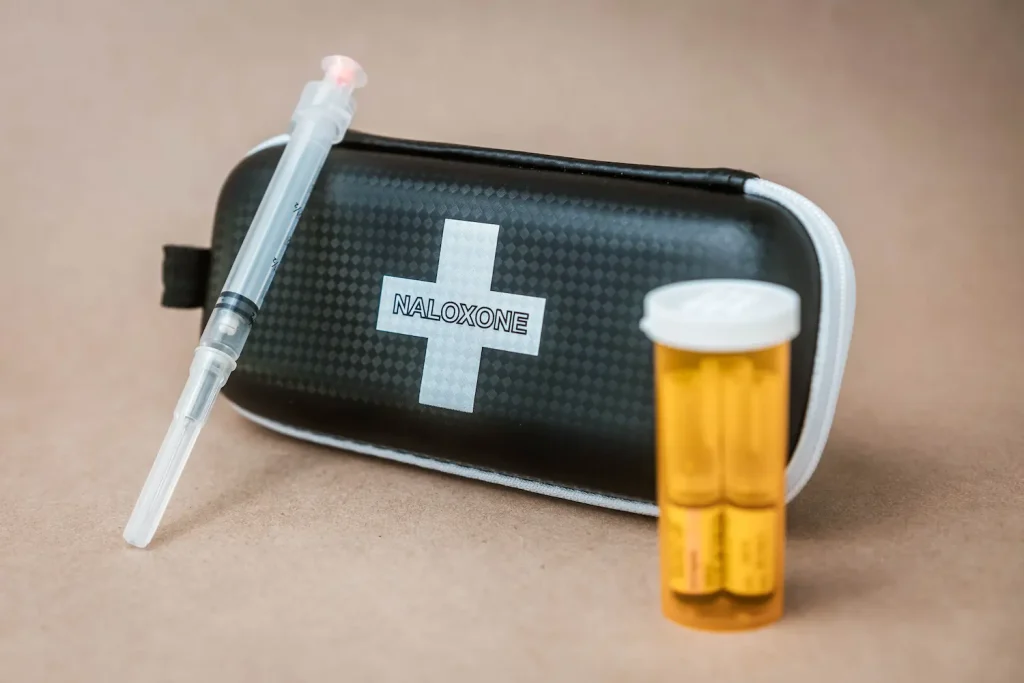
Naloxone (Narcan) works by blocking opioid receptors, which is how it reverses a fentanyl or heroin overdose. Xylazine is not an opioid. It acts on alpha-2 adrenergic receptors, which naloxone does not target. When a person overdoses on tranq dope, naloxone will reverse the opioid component, but the xylazine sedation remains active.
This does not mean naloxone should not be given. The CDC and SAMHSA both advise giving naloxone immediately any time opioid overdose is suspected, even if xylazine is a possibility. Reversing the opioid component of the overdose can keep the person breathing while emergency services arrive. Naloxone alone may not be enough to fully revive someone who has been sedated by xylazine, and 911 must be called in every case.
One of the most clinically alarming effects of xylazine is its tendency to cause severe, necrotic wounds, especially at injection sites but also appearing on other parts of the body where the person did not inject. These wounds develop into deep ulcers that can be difficult or impossible to heal without aggressive wound care. In severe cases, they lead to amputation.
The mechanism is not fully understood, but xylazine's effects on blood vessels and tissue perfusion appear to contribute. Wound care for people with xylazine-related injuries requires specialized medical attention, including in some cases hospital-level wound care teams. Many people with these injuries do not seek medical care due to stigma, fear of legal consequences, or lack of access to healthcare.
Xylazine is not an opioid, and its physical dependence profile is distinct. People who are physically dependent on tranq dope experience xylazine withdrawal symptoms that are not addressed by standard opioid withdrawal medications. These can include agitation, severe anxiety, tremors, and cardiovascular instability. Treatment teams working with people who have been using tranq dope regularly need to be aware of the potential for a complex, dual withdrawal process.
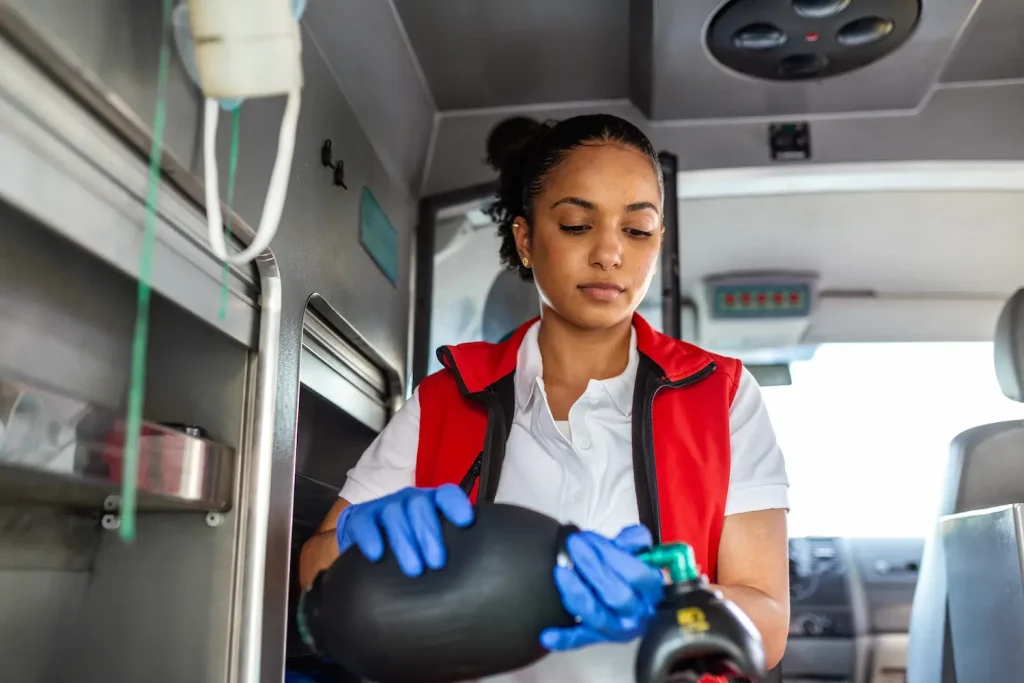
Tranq dope overdose looks different from a fentanyl-only overdose in important ways. Signs that suggest xylazine may be present in an overdose include:
If you suspect an overdose, administer naloxone immediately and call 911. Do not assume the person is fine if they partially revive after naloxone. Xylazine sedation can continue after the opioid component has been reversed. Keep the person on their side (recovery position) to protect their airway until emergency services arrive. Stay with the person.
For people who use opioids, knowing that xylazine is likely present in the current drug supply is a harm-reduction priority. Several strategies reduce risk:
Fentanyl and xylazine test strips. Fentanyl test strips can detect the presence of fentanyl in a drug sample. Separate xylazine test strips are also available in some harm reduction programs. Neither test strip eliminates risk, but knowing what is in a sample supports more informed decisions.
Never use alone. Using in the presence of another person who can respond to an overdose significantly reduces the risk of death. The Never Use Alone hotline (1-800-484-3731) connects a person using alone with a phone operator who will call emergency services if the person becomes unresponsive.
Have naloxone accessible. Naloxone is available without a prescription at most major pharmacy chains. Every household where someone uses opioids, and every person who uses opioids, should have naloxone on hand.
Seek wound care early. Xylazine-related skin wounds escalate quickly when left untreated. Many hospitals and harm reduction programs provide wound care without judgment and without requiring abstinence from substances. If a wound is developing at or near an injection site, seeking medical care early reduces the risk of serious complications.
Medication for opioid use disorder (MOUD) reduces overdose risk. Buprenorphine and methadone are FDA-approved, evidence-based medications that reduce cravings, reduce withdrawal, and significantly reduce the risk of overdose death. They do not require a person to be abstinent from all substances to start. A clinician can prescribe buprenorphine through an office visit or, as of 2025, through a telehealth visit.
If someone in your family uses opioids, or if you are not sure but are concerned, the presence of xylazine in the drug supply means the stakes have increased. Fentanyl overdose was already difficult to survive without immediate naloxone. Tranq dope overdose is more complex.
Carry naloxone. Learn how to use it. Multiple doses may be needed in a tranq dope overdose because the naloxone wears off faster than the xylazine sedation. Most naloxone kits contain two doses; having additional doses is advisable given current drug supply conditions.
Reduce stigma in your conversations. People who use drugs are more likely to tell someone they trust when they are in a dangerous situation if they do not fear judgment or immediate confrontation. A conversation focused on safety and connection is more productive than one focused on shame.
Support treatment when the person is ready. Opioid use disorder is a treatable chronic condition. Recovery is possible and it happens. Treatment is most effective when it includes both medication and behavioral support. Do not delay seeking help while waiting for the person to "hit rock bottom." Research consistently shows that earlier treatment leads to better outcomes.
Medication for opioid use disorder (MOUD) remains the most evidence-supported treatment for OUD, including for people who have been using tranq dope. Buprenorphine and methadone both address the opioid component of tranq dope dependence.
Clinicians treating people with known or suspected regular xylazine exposure should assess for xylazine-related skin wounds at every visit and coordinate wound care when needed. Inpatient or residential levels of care may be appropriate for people with complex wounds who need concurrent addiction treatment and medical care.
Trauma-informed care is essential. People who have been using drugs in an environment where xylazine is common have often experienced significant trauma related to overdose, loss of peers, and physical injury. Treatment programs that integrate trauma-informed approaches alongside medical treatment for OUD produce better outcomes.
The presence of xylazine in the drug supply has made an already dangerous situation more complex. That is not a reason to lose hope. Treatment for opioid use disorder works, and more people survive and recover than the crisis narrative often suggests. Buprenorphine, methadone, counseling, and peer support are all available and effective.
If you or someone you care about uses opioids and is ready to explore treatment options, the Struggling With Addiction treatment finder can connect you with accredited programs near you. SAMHSA's National Helpline at 1-800-662-4357 is also available 24 hours a day, at no cost, in English and Spanish. Taking the first step toward treatment is an act of courage, and support is available right now.
If you have seen a product called Tianaa, Zaza, Neptune's Fix, or TD Red at a gas station or smoke shop, you may not have known what you were looking at. These products contain tianeptine, a substance the U.S. Food and Drug Administration has not approved for any medical use. They are sold as "dietary supplements" or "mood boosters." That framing is dangerous and misleading.
Tianeptine acts on the same opioid receptors in the brain that heroin and fentanyl target. It produces a similar pattern of dependence, tolerance, and withdrawal. People who develop tianeptine use disorder frequently describe withdrawal as more severe than opioid withdrawal. The FDA has been tracking adverse events involving tianeptine since 2016, and in May 2025 issued a public health advisory warning clinicians about a growing surge in serious harm and death linked to these products.
This article explains what tianeptine is, how it affects the brain, what dependence and withdrawal look like, and what treatment options are available for people who want to stop using it.

Tianeptine is an atypical antidepressant that is approved in some countries in Europe and South America for treating major depressive disorder. It is not approved by the FDA for any use in the United States.
Tianeptine works differently from most antidepressants. At high doses, it binds to mu-opioid receptors, the same receptors activated by heroin, oxycodone, and fentanyl. This opioid-like action produces euphoria and sedation and creates a strong potential for physical dependence. Standard antidepressants do not work this way.
In the U.S., tianeptine is sold legally in many states under product names including:
These products are typically marketed as brain supplements, nootropics, or mood support products. They are available at gas stations, convenience stores, smoke shops, and online, which is why tianeptine has acquired the street name "gas station heroin."
As of June 2026, eleven states have banned tianeptine, including Alabama, Michigan, Mississippi, Tennessee, Georgia, Indiana, Ohio, Florida, Kentucky, Virginia, and North Carolina. Federal legislation to classify tianeptine and its analogues as Schedule III controlled substances under the Controlled Substances Act was reintroduced in Congress in May 2025. The substance currently has no federal scheduling in the U.S., which allows it to remain on shelves in states without bans.
Tianeptine is not detected on standard urine drug screening panels. A person who is dependent on it can be presenting with opioid withdrawal symptoms while their drug screen returns completely negative. Clinicians and families are often unaware of the substance, which delays recognition and treatment.
Tianeptine activates the mu-opioid receptor, the same receptor pathway responsible for addiction to heroin, fentanyl, oxycodone, and other opioids. The ASAM defines opioid use disorder as a chronic brain disease characterized by compulsive drug-seeking, loss of control over use, and continued use despite harm. Tianeptine use disorder fits that clinical definition.
When a person uses tianeptine repeatedly, the brain adapts by reducing the sensitivity of opioid receptors and reducing its own natural production of endorphins. This creates physical dependence: the brain now needs tianeptine to function normally. Stopping the drug triggers withdrawal.
Tolerance develops quickly with tianeptine. A person who starts using one bottle per day may escalate to several bottles within weeks in order to prevent withdrawal and maintain effect. This escalation pattern mirrors opioid use disorder closely, which is consistent with the FDA's case reports and peer-reviewed clinical literature published through 2025.
Dependence on tianeptine often goes unrecognized because the product looks like a legal supplement. Families and clinicians may not consider it a substance of concern.
Signs that a person may be struggling with tianeptine use disorder include:
Withdrawal from tianeptine can begin within hours of the last dose. People in tianeptine withdrawal describe the experience as more intense than opioid withdrawal in some cases, with prominent anxiety, agitation, and physical distress. Withdrawal lasts days and can require medical supervision to manage safely.
Anyone who encounters these products is at risk of developing dependence. Tianeptine is being sold openly in regions where it is not yet banned, and its marketing as a supplement masks the opioid-like risk.
Certain groups face elevated risk. Research published in 2025 in BMC Public Health identified several patterns:
The FDA noted in its 2025 advisory that tianeptine is not identified in routine drug screening, which means people may be actively dependent while their healthcare providers remain unaware.
Tianeptine use disorder is a treatable medical condition. It is not a moral failure. A person struggling with it is not weak or making a bad choice; their brain has developed a physical dependency that requires clinical support to address safely.
Because tianeptine activates opioid receptors, medications approved for opioid use disorder have shown clinical benefit in managing withdrawal and supporting recovery. These include:
Buprenorphine (Suboxone, Sublocade): Multiple peer-reviewed case reports published between 2019 and 2025 document successful use of buprenorphine to manage tianeptine withdrawal and support sustained recovery. Buprenorphine is a partial opioid agonist that reduces cravings and blocks opioid-like effects. It is available through office-based prescribers and, as of the DEA's January 2025 final rule, through telehealth providers without an initial in-person visit.
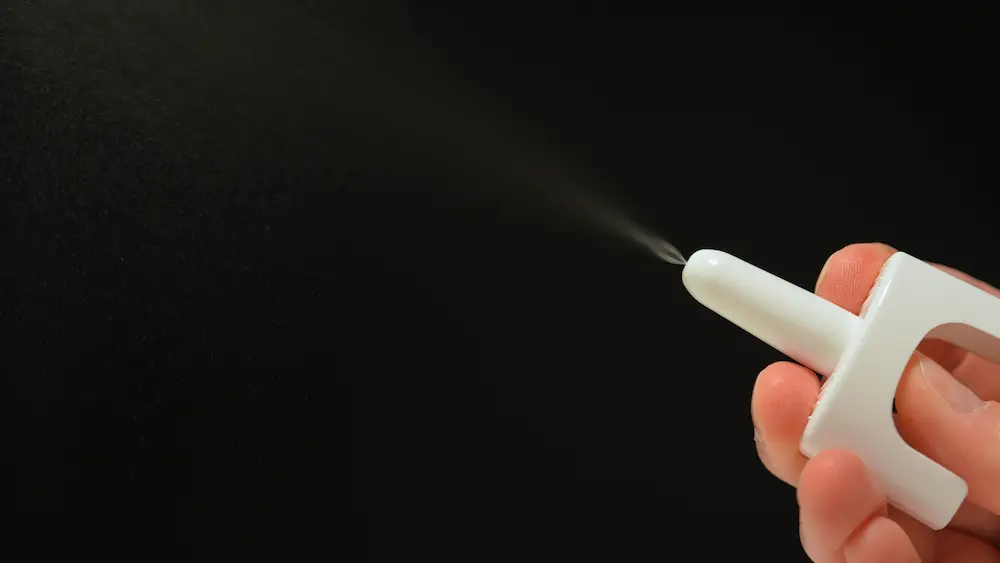
Naloxone: Because tianeptine activates opioid receptors, naloxone (Narcan) is effective as a reversal agent in overdose situations involving tianeptine. Anyone in a household where tianeptine use disorder is present should have naloxone on hand. It is available without a prescription at most pharmacies.
Supportive medications for withdrawal: Clinical case reports document the use of medications such as hydroxyzine and loperamide to manage tianeptine withdrawal symptoms when buprenorphine is not immediately initiated.
The appropriate level of care depends on the severity of dependence, the presence of co-occurring mental health conditions, and the individual's support system. Options along the ASAM continuum of care include:
Cognitive Behavioral Therapy (CBT) and Motivational Interviewing (MI) are first-line behavioral treatments for substance use disorders across substances, including opioids. These approaches help a person identify the triggers that drive use, develop coping strategies, and build motivation for sustained recovery.
Peer support and recovery support services complement clinical treatment. Organizations like SMART Recovery and 12-step programs provide community and accountability alongside professional care.
If you believe a family member is struggling with tianeptine use disorder, the most important first step is to avoid stigmatizing the situation. Dependence on this substance developed through a pharmacological process, not through a character defect. Shame-based confrontations tend to increase isolation and delay treatment.
A direct, compassionate conversation focused on concern for the person's health is more productive. Offering to help them find a clinician or treatment program, and being willing to accompany them to an appointment, removes barriers that often prevent people from seeking help.
SAMHSA's National Helpline (1-800-662-4357) is available 24 hours a day, 7 days a week, and provides confidential referrals to local treatment providers. The helpline is free and available in English and Spanish.
Tianeptine overdose can cause respiratory depression, loss of consciousness, severely low blood pressure, prolonged QT interval, and cardiac events. Naloxone counteracts the opioid receptor component of a tianeptine overdose and should be administered immediately if overdose is suspected. Call 911 immediately after administering naloxone. Medical evaluation is required even if the person regains consciousness, because tianeptine also has non-opioid effects that naloxone does not reverse.
If you or someone you care about is using tianeptine and wants to stop, treatment is available and it works. Withdrawal from this substance is difficult and medically significant, which means trying to stop without professional support carries real risk. A clinician experienced in opioid use disorder treatment can guide the process safely.
The team at Struggling With Addiction can help you find accredited treatment providers near you. Use our Treatment Finder or call SAMHSA's helpline at 1-800-662-4357 to get connected to care today. You do not have to navigate this alone, and recovery is possible.
There’s a massive gap between the number of people who need addiction treatment in the United States and those who actually get it. According to the 2021 NSDUH report, 46.3 million people 12 and older met the applicable DSM-5 criteria for having an addiction in the past year. Yet, only 6% got help at a specialty facility.
The addiction treatment gap happens for many reasons, and cost is one of the biggest drivers. Most people dealing with substance abuse issues (or their families) cannot afford to pay thousands of dollars for addiction treatment. And that shouldn’t come as a surprise, considering some treatment programs charge between $3,000 and $10,000 for a month of inpatient rehab, $1,400 and $10,000 for three months of outpatient rehab and $250 and $800 for 30 days of medical detox.
Of course, there are low-cost options that charge a few thousand. But the reality is that private-run and luxury rehabs charge anywhere from $17,400 to $100,000 per month for addiction treatment. Unless one is exceptionally wealthy, they have very little chance of getting the help they need. It’s troubling, especially since quality addiction treatment has been linked to long-term recovery and a better quality of life.

Health insurance can help cover drug and alcohol addiction treatment costs. But still, many people facing substance use disorders are not insured for different reasons, including:
And even those with insurance may still not be able to access treatment because of inadequate coverage for mental health and addiction services. Most plans don’t cover medication-assisted treatment (MAT) for opioid use disorders. Some, like Medicaid, cover MAT, but many states put requirements and limitations that make it hard to receive – though this might be changing.
About a decade ago, the Affordable Care Act mandated that private insurance programs cover addiction-related issues. This reform allowed many patients to get the help they needed – but it also created some kind of addiction gold rush.
Numerous treatment centers, including for-profit facilities, entered the market. Some saw an opportunity to capitalize on the increased need for services. As a result, there was a proliferation of treatment centers, ranging from reputable facilities to those with questionable practices.
The rapid growth of the addiction treatment industry has sparked concerns about the quality of care and oversight. Some facilities are accused of fraudulent billing practices, providing unnecessary services, and even exploiting vulnerable individuals seeking help for their addiction. These treatment centers engage in aggressive billing practices, maximizing insurance claims without necessarily providing commensurate quality of care.
Assistant State Attorney Alan Johnson told NPR about a case he investigated in 2017. The family sent their daughter to South Florida for treatment for 7 months. But she overdosed and died. At the end of the year, their insurance company was billed for $660,000.
And the lack of standardization doesn’t make it any easier. The varying treatment modalities and program lengths make it hard for people to navigate and compare services effectively.
So, on the one hand, there are families who are desperate to find help for their loved ones – but they don’t know how to tell legitimate treatment centers from unethical ones. And on the other hand, there’s a highly unregulated substance abuse treatment industry on the greed side.
In recent years, states have taken steps to address some of the challenges within the addiction treatment industry. These efforts include improving regulations, enhancing oversight, and implementing measures to ensure the quality and ethical practices of treatment facilities. However, the issues surrounding the high cost and lack of accessibility to addiction treatment persist.
Research has also uncovered many rehab programs that still use aggressive marketing tactics that have nothing to do with medical care. For example, they’ll claim to have a five-star chef, indoor and outdoor pool, acupuncture, massage, etc. And the worst part is that most of these programs don’t even offer evidence-based care, which is critical for addiction treatment and recovery.
Cost or finances are just one side of the coin. The other side is access to care, which presents a whole set of challenges.
Many states have more people with addiction and mental health issues housed in jails than in rehab centers. Today, a bigger percentage of inmates in prisons and jails meet the criteria for substance use disorders, but only a tiny portion of the inmates have access to treatment.
The war on drugs policies saw an increase in incarceration for drug-related problems. However, focusing on punishment rather than rehabilitation has been ineffective and has even led to several negative consequences.
For one, it does little to address the root causes of drug or alcohol abuse. Substance use disorders are complex health issues often influenced by aspects like mental health problems, socioeconomic conditions, and lack of access to proper healthcare. Incarceration, without adequate treatment and support, fails to address these root causes and may exacerbate the challenges individuals face upon release.

Comparatively, rehabilitation offers a more humane and practical approach to dealing with substance use disorders. Treatment programs, including counseling, therapy, and medical interventions, can help people overcome addiction and reintegrate into society as productive members. Rehab addresses underlying issues leading to substance abuse and reduces the likelihood of relapse and reoffending.
Moreover, from an economic perspective, investing in rehabilitation programs is more cost-effective than incarceration and it works. Sending people to prison who have addiction problems and have violated parole or probation conditions is straining the system and taxpayers’ money.
The costs associated with maintaining a large prison population, including housing, security, and administrative expenses, can be significantly higher than funding treatment and support services. Additionally, the societal costs of lost productivity strained families, and increased recidivism associated with incarceration further highlight the inefficiencies of punitive drug policies.
Community-based treatment programs can be a great alternative to incarceration. These programs aim to provide those struggling with substance use disorders the support they need to overcome addiction, reduce the burden on the criminal justice system, and contribute to a healthier, more rehabilitative society.
In recent years, there has been increasing awareness of the necessity to transition towards a public health approach to drug-related issues, focusing on prevention, treatment, and harm reduction instead of punitive measures. Supporting those with addiction issues through rehab not only aligns with principles of compassion and justice but also proves to be a more pragmatic and cost-effective strategy for addressing the complexities of addiction in society.
Common expenses in addiction treatment programs include detoxification services,inpatientor residential care, outpatient treatment programs, medication-assisted treatment, therapyand counseling, and aftercare support services. These components contribute to the overallcost, varying by treatment type, duration, and location. For a more comprehensiveunderstanding, it's best to consult specific treatment centers or insurance providers fordetailed cost breakdowns.
Staffing costs significantly impact theexpense of addiction treatment programs due to theneed for highly skilled professionals, including therapists, doctors, nurses, and support staff.These professionals provide comprehensive care, from medical detox to therapy and aftercaresupport, necessitating competitive salaries to attract and maintain a qualified workforce. Thelevel of expertise required for effective addiction treatment underscores the role staffingexpenses play in the overall cost of these programs.
Yes, there are more affordable options for addiction treatment in the USA, includingcommunity-based programs, state-funded facilities, sliding scale payment options in certaincenters, and support groups like Alcoholics Anonymous or Narcotics Anonymous. Additionally,some organizations offer scholarships or grants for individuals seeking treatment. Exploringthese alternatives can provide cost-effective routes to recovery for those facing financialconstraints.
Individuals and families can navigate financial challenges by exploring insurance coverageoptions, seeking out sliding scale fees or state-funded programs, applying for grants andscholarships specifically aimed at addiction treatment, and considering nonprofitorganizations that offer support or funding. Additionally, some treatment centers providefinancing plans or payment assistance to helpmanage the costs of recovery. Forcomprehensive guidance and resources, consulting with addiction specialists or financialadvisors familiar with healthcare funding can be beneficial.
Vaping has become increasingly popular among young people. That's primarily because of its lower per-use cost and belief that it's less harmful than traditional cigarettes. But vaping nicotine is not the safest alternative to smoking cigarettes as it poses serious health risks, especially among youth and young adults.
Vaping devices use e-liquids that contain nicotine, which is highly addictive and can harm the developing brain. Vaping also exposes users to toxic chemicals and metals that may damage the lungs and increase the risk of respiratory illnesses. In February 2020, the Centers for Disease Control (CDC) confirmed over 2,800 e-cig or vaping use-associated lung injury (EVALI) cases and 68 fatalities linked to the condition. EVALI cases are most evident among those who modify their vaping devices or use modified e-liquids.
Despite these risks, many young adults continue to vape. Most of them overlook or underestimate the effects of nicotine. And the marketing tactics don't help either, as companies promote their products as a trendy, cool, and harmless activity. They also use candy, fruit, mint, alcohol, and food flavors that appeal to youth, increasing the risk of nicotine addiction.

Vaping involves inhaling and exhaling vapor produced by an electronic device called an electronic cigarette or vape pen. The device heats a liquid, called e-liquid or vape juice, which typically contains nicotine, flavorings, and other chemicals, to create a vapor that is inhaled.
Nicotine is a highly addictive substance that stimulates the release of dopamine in the brain, which creates a pleasurable sensation. When a person uses nicotine repeatedly, their brain adapts to the increased dopamine levels and becomes dependent on it to function normally. This is what leads to addiction.
A National Youth Tobacco survey found that over 2 million middle and high school students used e-cigs in 2021. Sadly, 99% of e-cigarettes found in most places in the US contain nicotine. But these products don't disclose that they contain nicotine. And even those who say they have 0% nicotine have been found to contain nicotine.
Nicotine harms the developing brain and can affect impulse control, mood, learning, and attention. It can also increase the risk of future addiction. Beyond addiction, here are some other scary vaping facts:
Most people ask, is vaping worse than smoking, or is vaping safe? Vaping is less harmful than smoking traditional cigarettes because it does not involve burning tobacco, which produces harmful tar, carbon monoxide, and many other toxic chemicals. However, it is essential to note that vaping still involves inhaling chemicals and potentially harmful substances such as nicotine, flavorings, and other additives. These substances can cause health issues such as lung damage, respiratory problems, and nicotine addiction.
E-cigarettes can be just as addictive as traditional cigarettes because many of them contain nicotine, which is highly addictive. In fact, some e-cigarette products may even have higher nicotine levels than conventional tobacco products. It is also worth noting that some e-cigarettes are designed to deliver nicotine more efficiently than traditional cigarettes, which can further increase the risk of addiction.
Despite being promoted as a smoking cessation tool, electronic cigarettes have not been approved by the US Food and Drug Administration (FDA) as a smoking cessation device. A recent study found that a majority of those who vape as a way to quit smoking ended up continuing to use both traditional cigarettes and e-cigarettes. Besides, e-cigarettes can still deliver nicotine, a highly addictive substance that can make quitting smoking more difficult. The same goes for nicotine pouches, snus and other oral nicotine products.
Many vaping devices can also be used with other drugs, including marijuana. A 2018 study found that 10.9% of college students had vaped THC in the past 30 days, an increase from 5.2% in 2017. Worse, other substances like methamphetamine, DMT, crack cocaine, and synthetic cannabinoid receptor agonists can also be vaped. In 2016, the US Surgeon General cautioned that e-cig use among young adults is a significant public health concern in the country.
Nicotine withdrawal symptoms are physical and psychological symptoms when people who smoke tobacco or vape stop using. Symptoms usually peak within the first few days after quitting and can last several weeks or months. However, the severity and duration of symptoms can vary from person to person. Some common nicotine withdrawal symptoms include:
As mentioned earlier, nicotine exposure during adolescence can affect brain development, including attention, learning, and mood regulation. It may increase the risk of addiction to nicotine and other substances later in life.
Preventing youth vaping requires a multi-faceted approach, which may include the following:
Managing nicotine withdrawal can be challenging, but some strategies can help alleviate symptoms and increase the chances of quitting smoking or other nicotine-containing products. Here are some ways to manage nicotine withdrawal:
It is also essential to seek professional help when trying to manage nicotine withdrawal, especially for individuals with a history of addiction or other health conditions. A healthcare professional can provide guidance and support, prescribe medications or nicotine replacement therapy, and help develop a personalized quit plan.
Methadone has been used to treat people with extreme pain for decades and has been approved by the Food and Drug Administration to treat opioid addiction. According to SAMHSA, methadone can help people with opioid use disorder reduce their cravings and withdrawal symptoms, stay in treatment longer than those who are not taking it, and lower their chances of using illegal opioids.
However, some are still skeptical of its effectiveness in treating opioid addiction, citing the potential for misuse and abuse. They think that methadone can quickly become a replacement addiction and that it can still be used to get high. But proponents, who include top addiction professionals, argue broader use of methadone could help address the current opiate overdose epidemic in the US. They advocate for easier access to methadone treatment for opioid addiction, citing its potential benefits in helping people manage cravings and withdrawal symptoms.
This article will explore both sides of the argument and discuss the risks and benefits of using methadone as an addiction treatment.
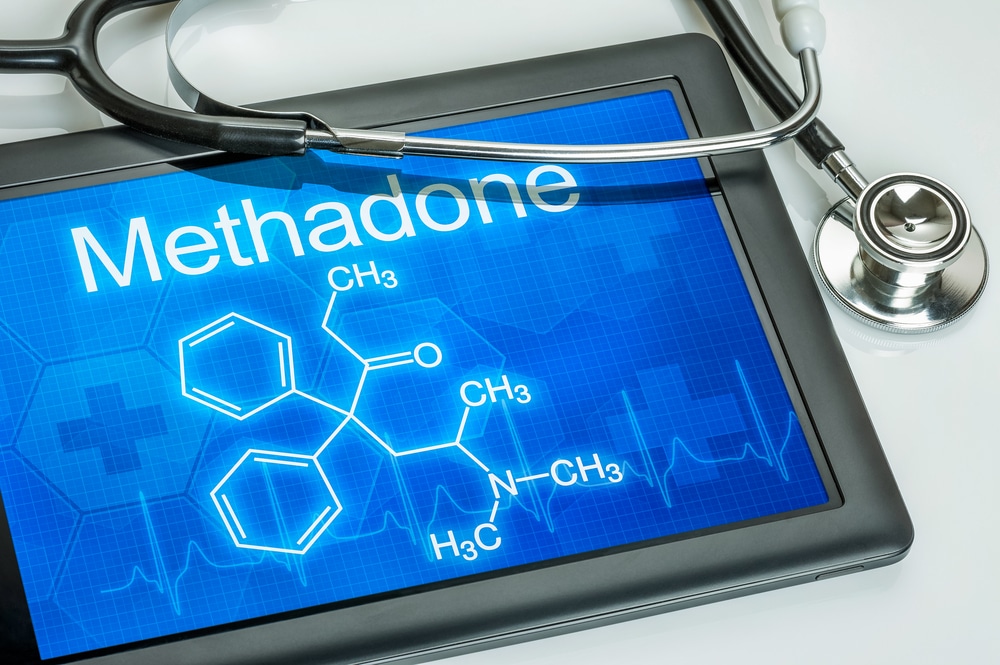
Methadone is a powerful drug used for pain relief and opioid use disorders. It is a synthetic opioid, but unlike other opioids, it has been approved by the FDA to treat opioid addiction. It is one of the three medications approved in the US for opioid addiction treatment.
The drug works by binding to and blocking the opioid receptors in the brain, thus reducing cravings and preventing withdrawal symptoms. It is typically administered once a day at room temperature, though some people require more frequent doses. Methadone is available in liquid, powder, and tablet forms.
Methadone is extraordinarily effective if the standards of any epidemic are considered. A study found that those receiving the drug were 59% less likely to die of an overdose than those who did not receive it.
Methadone is used as part of a treatment program for opioid use disorder. Those receiving the drug to treat opioid addiction must receive it under the care of a qualified healthcare provider.
This provider prescribes the medication and supervises its use. After a period of stability, some people may be able to take the medication home and administer it themselves. However, this is an option only after they've gone through frequent tests and counseling sessions.
The duration of methadone treatment varies depending on the individual and the severity of their addiction. But the National Institute on Health recommends a minimum of 12 months. Some patients may need long-term maintenance. But those who are getting off the drug should work with their healthcare provider to gradually taper off the medication to avoid any life-threatening methadone withdrawal symptoms.
Methadone has long been controversial in the addiction treatment world. While advocates are proposing a significant expansion in access to the drug, the providers of methadone for addiction treatment are warning that caution should be used when prescribing the medication.
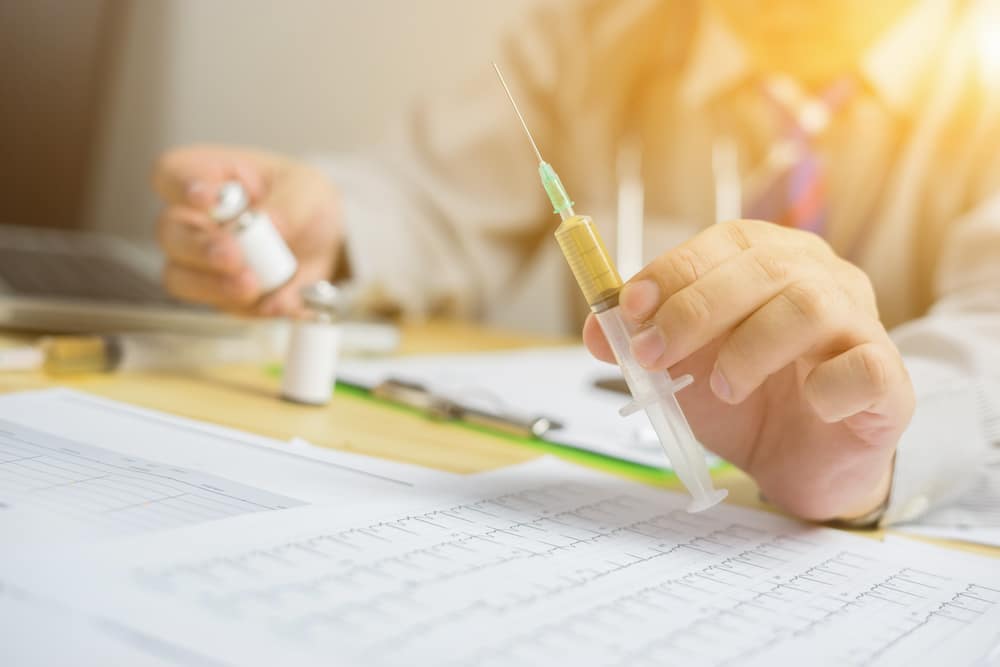
The primary concern for those who oppose expanded access to methadone is its potential for misuse and abuse. While methadone is effective for treating opioid addiction, allowing doctors to prescribe it to anyone could lead to low-quality care, abuse, and overdose on methadone itself.
At the moment, patients need to visit a methadone clinic each day for a single dose. They also need to be a part of an opioid treatment program and go through frequent drug tests, take part in counseling sessions, and prove that they've had opioid addiction for over a year.
Opponents of expansion strongly believe it's essential that methadone treatment is accompanied by counseling and other services that opioid-trained professionals are qualified to offer. They also point to worrying statistics about methadone-related overdose. A recent estimate by NIDA found that methadone is involved in 3% of opioid-related overdoses.
On the other hand, advocates argue that methadone can be prescribed responsibly, with adequate monitoring and oversight. They point out that the benefits of broader access to methadone outweigh the potential risks. And that the risk of overdose is too high and that methadone can help treat addiction, reduce cravings and prevent long-term health problems caused by opioid addiction. According to the proponents, the opioid crisis has reached a level where any measure taken to reduce the number of overdoses is worth exploring.
Those in favor of expansion don't see why increasing access should be a problem considering any healthcare provider can prescribe methadone for chronic pain treatment. They argue that strict regulation is only imposed on addiction treatment, which makes little sense and is a sign of the discrimination and stigma faced by OUD patients. Currently, no other drug is as restricted for approved use (opioid addiction), yet it has few restrictions when prescribed for pain management.
It is worth noting there have been fewer methadone-related deaths even after significant restrictions were lifted during the COVID-19 pandemic. The lift allowed "stable" patients to bring home their weeks' worth of methadone doses instead of going to a clinic every day for an amount.
Methadone is a safe and effective treatment when taken as prescribed. Patients should work closely with their healthcare provider to find the correct dose and frequency of administration that works for them. Patients should also take precautions when taking methadone, such as:
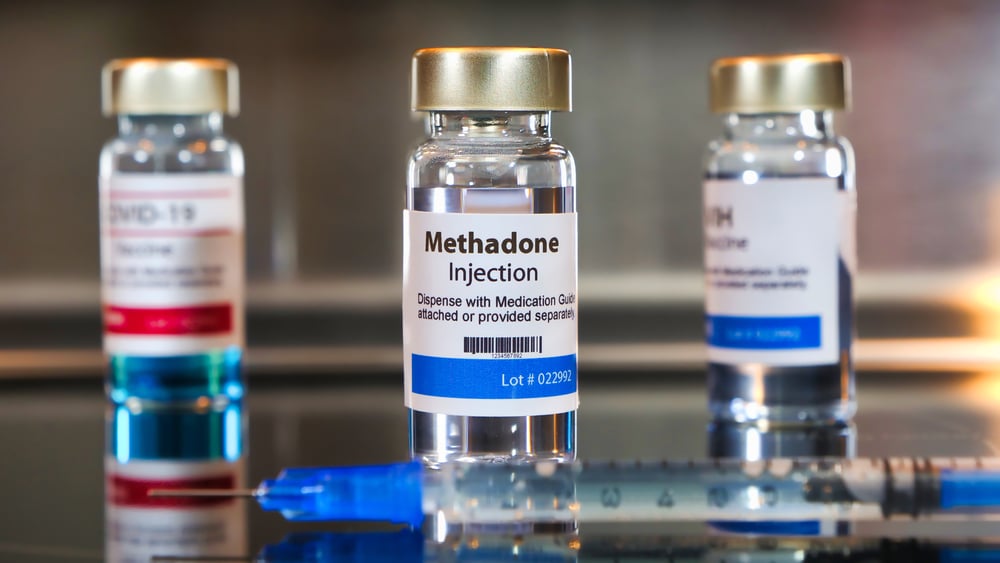
Some common side effects of methadone include:
Methadone is generally considered safe to use during pregnancy. However, it will likely cause harmful side effects to a developing fetus and should only be used when the benefits outweigh the risks. Breastfeeding women should consult their doctor before taking methadone, as it can be passed to the infant through breast milk.
For people with opioid addiction, many facilities offer comprehensive drug addiction treatment programs. These treatment plans include counseling, support groups, medical monitoring, and other therapies designed to help patients gain control of their addiction and begin the journey toward recovery.
One of the most common questions about drug rehab programs is how long they typically last. The answer to this question depends on various factors, including the type of program and the individual's specific needs.
However, a typical drug rehab program will last somewhere between 30 and 90 days. And while some people only need to go through rehab once, others may require multiple stints to achieve and maintain sobriety. According to the National Institutes of Health, about 40 to 60% of people relapse.
No matter what, though, it's important to remember that there is hope and help available. Drug rehab may not be easy, but it can be incredibly effective at helping people overcome addiction and rebuild their lives.
Addiction is a disease that alters the way the brain functions. It changes the brain's wiring and affects how chemicals are released and received. This can lead to changes in mood, behavior, and physical appearance. Because addiction affects the brain, it can be difficult to overcome without treatment.
Addiction treatment involves a combination of therapy, medication, and support groups. The goal of treatment is to help people stop using drugs, manage their cravings, and avoid relapse. Recovery from addiction is a long process, and it may take some time to achieve long-lasting sobriety.

The first step in any rehabilitation program is detoxification or detox. This is a process of ridding the body of toxins that have built up from continued drug or alcohol use. Detox can be difficult and uncomfortable, but it is an essential first step in overcoming addiction.
For most people, detox takes between 7 and 10 days. But the length of stay might be longer for more serious drug or alcohol abuse cases. Medical staff closely monitor patients during this time to ensure their safety and comfort.
Average detox duration for various drugs:
After detox, individuals may participate in an inpatient or outpatient treatment program.
Inpatient rehab provides around-the-clock care and support, which can be especially beneficial for those struggling with severe addiction. Treatment typically lasts 28 days, although some programs may be shorter or longer depending on the individual's needs.
Outpatient treatment programs help people recover from substance abuse disorders without requiring them to stay in rehab. The care is typically less intensive and less expensive than inpatient treatment, making it a good option for people with a strong support system at home. Outpatient treatment programs can last for a few weeks or several months, depending on the individual's needs.

Detox and treatment are important steps in overcoming addiction, but they are only the first steps on a long road to recovery. Aftercare is an essential part of this process, as it helps to keep people on track and prevent them from relapsing.
Aftercare typically includes individual counseling, group therapy, and 12-step programs. An aftercare program provides vital support and accountability. Without aftercare, people are much more likely to relapse.
The length of an aftercare plan will be based on individual needs. Some people are in aftercare for weeks or months, others for a year or more.
Most addiction treatment programs follow a similar structure. After an initial assessment, patients typically begin with detoxification and withdrawal management. This is followed by individual and group therapy, which can help patients to understand the root causes of their addiction and develop healthy coping mechanisms. The length of time spent in each phase of treatment will vary depending on the type of substance used and the length of use.
These programs offer a range of benefits, including:

30-day addiction treatment programs are typically short-term and involve detoxification, counseling, and support groups. These programs often cost less than long-term ones and are often covered by insurance.
While 30-day programs can be effective for some people, they are not for everyone. People with severe addiction cases may need to spend even longer in addiction treatment. Also, those suffering from health conditions caused by drug or alcohol use may need more advanced care.
A 60-day addiction program is a long-term program designed to help people overcome their addiction. Studies have shown that many people can build new habits within two months, making 60-day programs more effective at helping people overcome their addiction.
In addition, 60-day programs provide more time for people to receive treatment and support, improving their chances of overcoming addiction. The main downsides with 60-day rehab are cost and that they might not be suitable for those who can't take an extended period of time off from work or school.
A 90-day addiction program is a long-term treatment option for those suffering from chronic relapse or severe substance use disorders. According to the National Institute on Drug Use, research shows that better outcomes occur with a longer duration of treatment. This means that patients who complete a 90-day program have a significantly higher rate of abstinence than those who only receive shorter-term treatment.
In addition, patients in a 90-day program are more likely to complete other important recovery milestones, such as completing a detoxification program and participating in aftercare. While a 90-day program requires a significant commitment, it can be an essential step on the road to recovery for many patients.
Individuals who need extended care options after a 90-day program can join sober living houses that provide additional support. Sober living houses are safe, drug- and alcohol-free environments where one can live with other people in recovery. They can be a great option for those needing extra support and structure while learning to live successfully without drugs or alcohol.
Sober living houses also have staff members who can help with any challenges. Generally, individuals may stay in sober living homes as long as they want, provided they adhere to the house rules.
Drug rehab programs typically take around 30 to 90 days, but the length of time may vary depending on your specific situation and needs. If you're struggling with addiction and are ready to get help, we can connect you with a quality drug rehab program that meets your unique needs. This could be one of the most important health care decisions you will make in your life. Learn more about your options from our directory.
Every generation has its slang, and Gen Z is no exception. The use of emojis became quite popular with Gen Z. And now they’re using emoji to sell drugs and to generally talk about them with friends. They bank on the fact that most adults don't have a sense of how emojis work.
To any unsuspecting adult, the emojis look ordinary and harmless. However, they are often being used to buy and sell illicit drugs.
Drug abuse is prevalent among teens and young adults. With the current technology, they can easily purchase any illegal drug from social media pages run by drug traffickers. With a simple direct message (mostly with an emoji or more), the drugs of choice, including crack cocaine, are delivered to them in just a few minutes. Often, they make payments in cash, so you are unlikely to notice something is off.
Every drug dealer targeting teens have perfected the use of emojis, now commonly known as the emoji drug code. By doing so, they easily advertise their products on social media. Drug-themed social media posts are often not flagged or taken down because it is difficult to differentiate them from regular posts.
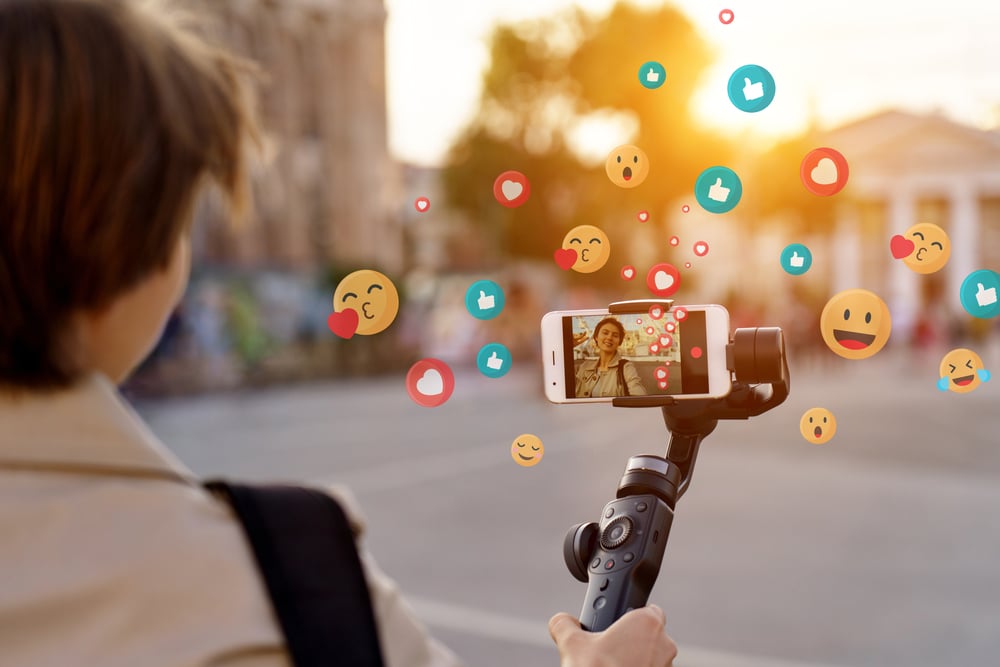
The Drug Enforcement Administration (DEA) recently released an emoji drug decoder to help educators, parents, and caregivers decode the emojis their loved ones use and potentially save lives.
DEA public information officer Brian McNeal said that when there is a case of overdose and no way to trace the source, you can go through the phones and computers of your loved ones to see the emojis used in conversations with drug dealers. The emoji drug decoder can help you identify the drugs they overdosed on.
According to the DEA, emojis are now commonly used as dealer advertising for high potency drugs. A select few are currently universal symbols for large batches of drugs. The DEA revealed that they started looking at social media risk factors after identifying several overdoses.
After going through the phones of the deceased, they noticed that specific emojis kept showing up in conversations. Later, they managed to decode the emojis.
Shane Catone, a Deputy Special Agent in charge of the DEA's Chicago Division, said that traffickers started communicating with emojis because their target market is teenagers who spend most of their time on social media.

The traffickers advertise their contraband on various social media platforms, including Instagram, Facebook, Snapchat, and messaging apps like WhatsApp.
Some of the emojis are straightforward to figure out. For example, the pill emoji represents fake prescription medications or pills.
Other emojis may be difficult to decode. For instance, a key emoji represents cocaine; a brown heart represents heroin and a blue heart meth. Another difficult emoji to decode is a chocolate candy bar that represents Xanax.
The banana emoji is commonly used as code for Oxycodone, whereas a Christmas tree, palm tree, clover, and cloud for marijuana. The maple leaf emoji is also code for marijuana.
Below is a summary of the emojis and what they mean for ease of reference.
The emojis are not a conclusive indication of illegal drug use. However, the emojis combined with behavioral change or a low performance at work or school may indicate that your loved one is struggling with drug addiction.
While addressing the use of emojis to buy or sell drugs, DEA public information officer Brian McNeal said the pills drug dealers sell on social media are counterfeit prescription drugs laced with fatal amounts of fentanyl.
The pills range from normal-looking ones to colorful ones that resemble kids' vitamins. According to McNeal, the colorful pills often contain meth.
Drug dealers often transport the fake prescription pills in bags of candy. Often, the laced prescription pills result in overdoses.
Other than emojis, teens and young adults struggling with substance abuse use slang terms to refer to drugs. Here are a few drug slang terms used in day-to-day conversations and their meaning.

The emoji chart is not conclusive, and it has the potential to grow exponentially. For this reason, it is a good idea to monitor your children's activities on social media. Since drug dealers target teenagers on social media, the ads are likely to pop up on their phones. It would also be best to periodically check any updates on the chart from the DEA's website.
If you can't check their phones, monitor your children's behavior. You are likely to notice a behavior change when they use illegal drugs. You can also use the emoji drug chart to start a conversation about drug and substance abuse dangers.
The emoji drug dealers are using may seem like a harmless way to communicate, but they could be putting your loved ones in danger. If you suspect your loved one is using drugs and communicating with dealers through emoji, or if you notice sign of addiction call for help.
There is no shame in seeking out assistance. Addiction is a difficult disease to overcome alone. With the right resources and types of treatment, your loved one can get the support they need to break free from the grip of addiction and start on the path to recovery.
Ketamine is an anesthetic drug that affects the central nervous system by antagonizing the n-methyl-d-aspartate (NMDA) receptor. Like most dissociative anesthetics, ketamine has a high potential for abuse.
Ketamine has hallucinogenic effects. It changes your perception of sounds and sights, makes you feel detached, and makes you feel like you aren’t in control.
Ketamine is FDA-approved for use as a pain reliever for chronic pain and anesthetic. Unfortunately, it is often abused.
Although ketamine has a long-standing reputation as a recreational drug, its FDA-approved version has become popular in its role as an anti-depressant. Additionally, studies have shown its effectiveness in reducing drug and alcohol abuse.
This article discusses ketamine therapy and its benefits under supervised care.
Clinical trials focusing on alcohol and cocaine addiction revealed that patients who were prescribed therapy and ketamine had better results than those who went for therapy minus ketamine treatment.
Patients addicted to cocaine received doses of IV ketamine for five days. Additionally, they went through a 5-week mindfulness relapse prevention therapy. On the other hand, patients struggling with alcohol addiction received a dose of ketamine on their second week of 5-week motivational enhancement therapy sessions.
At the end of the trial, researchers concluded that ketamine treatment played a role in preventing relapse. Researchers argued that ketamine treatment alters how patients’ brains deal with cravings. Additionally, they argued that ketamine motivates individuals to stop abusing drugs and control their behavioral interactions. Ketamine treatment may also improve the outcome of behavioral therapy.
The clinical trials discussed above are not conclusive. There is a need for extensive research on the role of ketamine in addiction treatment.
Note that the use of ketamine in addiction treatment should be under the strict supervision of medical practitioners in clinical settings. Patients should only receive doses of ketamine as and when prescribed by their doctors to avert ketamine abuse.
Medical practitioners can use ketamine to treat depression. Additionally, it can be used as an antidote for suicidal thoughts.

Most treatments for suicidal thoughts, including anti-depressants, talk therapy, electroconvulsive therapy (ECT), and transcranial magnetic stimulation (TMS), take several weeks to be effective. Sometimes, you may have to try multiple treatment options at once to gain relief.
Using ketamine for depression has proved effective. The doses that medical practitioners prescribe in treatment for depression are small.
It is still unclear how ketamine works. However, researchers suggest that it targets NMDA receptors in the brain, binds to the receptors, and consequently increases the amount of glutamate, a neurotransmitter, between the neurons.
The glutamate triggers connections in the AMPA receptors resulting in the release of molecules that allow neurons to communicate across new pathways. This process is called synaptogenesis. Synaptogenesis alters your cognition, mood, and thought patterns, making you less depressed.
Ketamine may also treat symptoms of depression by reducing the signals that take part in inflammation. These signals are often linked to mood disorders. Therefore, ketamine may prevent mood swings by reducing the signals.
Ketamine comes in various forms, including white powder. The FDA-approved form for depression medication is a nasal spray known as esketamine/ Spravato.
Doctors prescribe esketamine to adults who have a major depressive disorder, treatment-resistant depression, or are suicidal.
Patients with treatment-resistant depression get the nasal spray twice weekly for the first four weeks, then once a week from the fifth to the ninth week. If they still need the nasal spray after the ninth week, they will get it once every two weeks.
The other forms of ketamine that are not approved by the FDA include; tablets, IV infusion, or a shot in the arm. IV infusions are done explicitly by doctors. Some doctors may prescribe pills for use at home. However, it is not recommended since ketamine has a high potential for abuse.
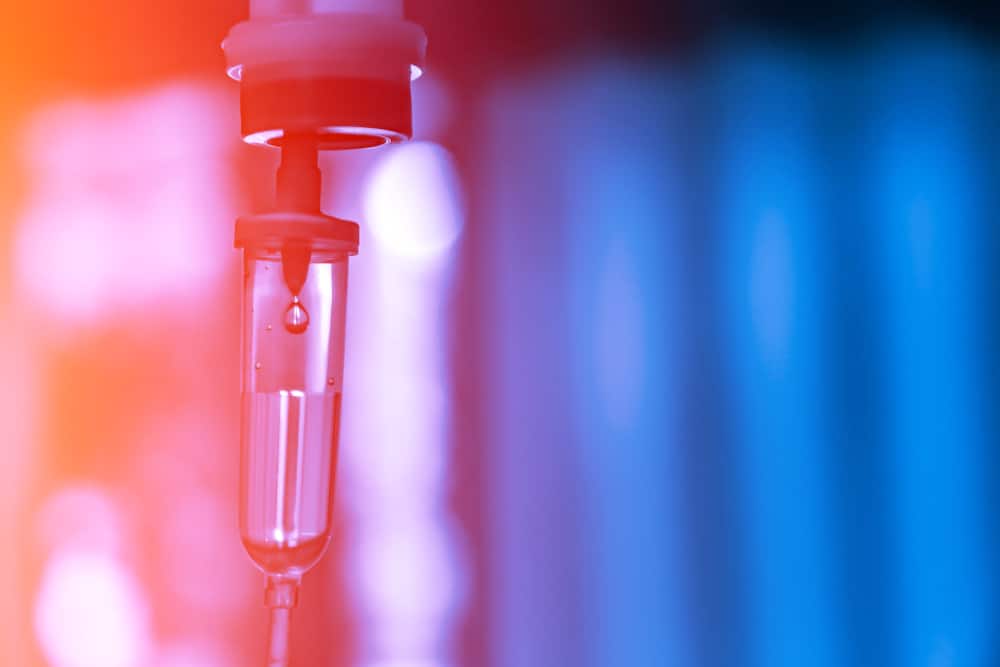
The process of IV infusion takes place for approximately 30 minutes. Immediately after the drip ends, you will have the dissociative experience for about 20 minutes. Your doctor will be present during the entire process. The dissociative experience wears off after 20 minutes.
Research shows that most patients appear to be asleep during IV infusion. They neither talk, nor move. Most doctors prefer not to interfere unless the patient specifically asks for something or asks where they are.
After ketamine treatment, patients need to undergo talk therapy. Talk therapy is an essential part of depression treatment. During talk therapy, medical practitioners equip you with the relevant skills to handle your depression. It is practical and empowering for most patients. For those with mild depression, talk therapy may be sufficient.
All drugs have side effects. However, the benefits you will get from using ketamine for depression outweigh the side effects you will experience.
Here are some side effects that you may experience after ketamine infusions:
Usually, dissociation and perception disturbances are noticeable when you get the first infusion but fade away afterward.
Long-term use of ketamine may have additional side effects. Scientists are still researching the issues surrounding ketamine abuse.

The main problem regarding ketamine therapy is addiction. Ketamine shows a lot of promise in treating mental health conditions and addiction. However, ketamine is a highly addictive narcotic, and addicts can still get high off it.
There is a possibility that patients who undergo ketamine therapy may become dependent on it. Long-term use of ketamine may have long-term effects. Patients may develop tolerance or unidentified side effects.
Another concern is the risk of cross-addiction. Cross addiction refers to instances when an addict develops a second addiction, in this case, ketamine addiction.
There is a need for more studies on ketamine treatment to realize its benefits in addiction and depression treatment.
If you are struggling with an addiction, check out treatment addiction programs that you can enroll in. You can also check our blog for resources on addiction and mental health issues.
Polydrug use – the practice of using more than one drug at a time – intensifies the effects of any individual drug and makes them more lethal. People mix drugs for a range of reasons, including:
Sadly, there isn’t a safe level of drug use – so there’s no way of predicting the effects of one drug, let alone multiple drugs. Mixing drugs with alcohol increases the impact on the body and brain and may lead to overdose. According to the CDC, almost 80% of opioid deaths in 2016 involved another drug or alcohol.
Cocaine, both freebase and powdered, causes stimulant effects and side effects. This can include high energy and mental alertness, constricted blood vessels, insomnia, anxiety, paranoia, restlessness, cravings for more as the drug starts to wear off.
Alcohol is a central nervous system depressant. Its effects are opposite to those of stimulants like cocaine. Alcohol slows heart rate, speech, breathing, reflexes, and reaction time. So, people may use alcohol to reduce cocaine’s effects like twitching or anxiety.
On the other hand, they may use cocaine to increase their physical energy after drinking alcohol. Alcohol also boosts euphoric effects from drugs like cocaine because it indirectly acts on GABA receptors, increasing the release of some neurotransmitters.
Alcohol and cocaine blend is a toxic mix. When one mixes the two, they create new metabolites, including cocaethylene. Cocaethylene is stronger than either alcohol or cocaine alone and increases toxicity to the liver, heart, and other major organs.
It also stays around the body for days to weeks, increasing the chance of severe side effects. Cocaethylene increases the risk of a sudden stroke, paranoia, violent behavior, heart attack, liver damage, seizures, depression, anxiety, intense drug cravings, cancer, and sudden death.

The toxicity is not limited to illicit drugs alone. People who combine drugs like opioid painkillers, sedatives, or anti-anxiety medications with alcohol are also at an increased risk for severe side effects. Prescription medications are a wide classification of drugs with a variety of uses.
They can help calm anxiety, relieve pain due to surgery or illness or maintain impulse control. But still, they tend to cause nausea, drowsiness, loss of coordination, and changes in blood pressure. Long-term side effects of these drugs may include heart problems, internal bleeding, and liver damage. It’s important to stick to what the doctor prescribes to avoid unnecessary effects.
Mixing prescription drugs with alcohol can cause adverse effects because of drug interactions. Alcohol not only alters the performance of the drugs but can also negate or heighten their effectiveness. Each prescription medication has its own potential negative effects that can be exacerbated when mixed with alcohol.
In addition to the effects above, the mix can change a person’s actions and thoughts, making risky behavior a definite threat. It also raises tolerance, leading people to ingest or drink more, trying to chase the high. This, in turn, can cause fatal overdoses, alcohol poisoning, and addiction.
It’s common for people to combine alcohol and caffeine at parties and clubs to keep the fun going. This can take the form of whiskey and coffee, vodka and energy drink, rum and soda, or some other mix meant to deliver the perfect double-buzz. While this seems like a good idea, some negative side effects warrant consideration.
A while back, the FDA issued warnings to companies like Four Loko that made caffeinated alcoholic drinks. This was after reports of alarming hospitalization linked to the drinks swirled. According to the Federal Trade Commission, consumers didn’t notice how much alcohol they took because caffeine masks the sense of intoxication – inducing more drinking.
Alcohol makes one feel more relaxed. But it also has the residual effect of making one feel tired. People add in the caffeine, so they’re relaxed without feeling tired. Energy drinks and caffeine can mask how drunk someone is.
They can also boost energy levels, allowing one to drink longer and more. Mixing alcohol with caffeine or energy drinks can cause heart problems, alcohol-related injuries, and weight issues.
Like prescription drugs, combining illicit opioids and alcohol is extremely dangerous. Both these substances are central nervous system depressants and can cause various effects, including brain damage and death. Sadly, CDC reports that people addicted to alcohol are two times more likely to become addicted to heroin. Most of them use alcohol or heroin to enhance the sedative effects of individual drugs and attain a stronger high.
Mixing alcohol and heroin increases the chances of a user having severe side effects. This includes more risk of developing addiction, certain health issues, and possibly a fatal overdose.
According to CDC, there were more than 14,000 heroin-related deaths in the US in 2019. Alcohol leads to nearly 7x the number of deaths as heroin. Heroin is one of the most addictive drugs globally, but alcohol has a reputation for causing dependency and addiction too.
Meth is a type of drug known to elicit a powerful, short-lived high, decreasing appetite, and increasing wakefulness. Meth use causes an increase in energy levels and alertness, irregular heart rate, trouble sleeping, and hypertension. Long-term complications of meth are anxiety, confusion, weight loss, meth mouth, paranoia, hallucination, and aggression.
Alcohol and meth’s contradictory effects are concerning for a range of reasons. First, people who mix these drugs may consume more alcohol to feel its accustomed effects or feel more inebriated – resulting in alcohol toxicity. Second, those who end up consuming more while high on meth overlook cognitive impairment and drive, placing others at risk.
Combining meth and alcohol poses a range of dangers an increase in risky behaviors. These include unsafe sex, exposure to STIs, cardiovascular disease, compromised decision-making abilities, high blood pressure, risk of birth defects and seizures.
Hallucinogens refer to various drugs that alter one’s awareness of their surroundings, thoughts, and feelings. They are often divided into dissociative drugs and classic hallucinogens, both of which cause hallucinations and false perceptions of reality. When under the influence of hallucinogens, people often report rapid, intense emotional swings and hearing sounds, seeing images, and feeling sensations that seem real but aren’t.
Mixing alcohol with hallucinogens can provoke even more dangerous side effects and result in co-occurring disorders. Someone who uses LSD, PCP, DMT, ketamine or Mescaline and drinks alcohol may suffer from nausea, vomiting, headaches, panic attacks, and faintness. Combining the two substances can also increase one’s heart rate.
In severe cases, they may lose consciousness or have a seizure. Moreover, alcohol increases the chances of experiencing a “bad trip” by worsening depression and increasing frightening hallucinations. Sadly, the effects of hallucinogens can prevent one from realizing how much alcohol they’ve taken, causing them to take more. In which case, they may end with alcohol poisoning.

Abusing any drug comes with its own risk. But introducing alcohol to the equation can bring about other risks and amplify the dangers of the drug. If you or someone you care about cannot stop using, it’s best to seek help. Treatment centers exist to help people with polydrug use issues and can help you or your loved one lead a clean life, free of drug-related issues.